



 Top Author
Starting a food business can be exciting and rewarding. Whether you’re a chef wanting to make money from your cooking or someone making food at home who wants to grow, knowing the steps to launch and expand your business is important.
So, this guide will help you understand how to succeed in the food industry. Check this out!
1. Researching the Market: Finding Your Niche
Before you start your food business, you need to do some market research. Here’s what to focus on:
- Look at Trends
Check what’s popular in the food world. Are people choosing healthier options, plant-based foods, or international cuisines? - Find Gaps
See what’s missing in the market. This could be a unique dish, service, or a new take on something familiar. - Study Your Competition
Look at other businesses like yours. Learn what they do well and where they struggle. This will help you decide how to position your own business.
2. Creating a Business Plan for Your Food Business

Source: MBN Consulting
A good business plan is crucial for anyone starting a food business. It acts like a guide for your journey and can help you attract investors. Your plan should include:
- Overview
A short summary of your business idea. - Market Insights
What you learned from your research about your audience and competition. - Marketing Plan
How you will reach your customers and stand out from others. - Operational Details
Information on how you will produce your food and manage your team. - Financial Estimates
Your expected costs, revenue, and when you hope to break even.
3. Navigating Legal Requirements and Food Safety Regulations
The food industry has strict rules and safety standards. Here’s how to stay compliant:
- Licenses and Permits
Find out what licenses you need to operate legally. This may include food handling permits and approvals from health departments. - Food Safety Practices
Learn about local health regulations and follow good food handling and cleanliness practices. - Labeling
If you sell packaged foods, make sure your labels meet legal requirements for ingredients and nutrition facts.
4. Securing Funding and Managing Finances
Money management is key to your food business’s success. Here are some funding options:
- Personal Savings
Many people start with their own money or funds from family and friends. - Small Business Loans
Look for loans designed for small businesses. - Grants and Contests
Research grants for food startups or enter contests that offer cash prizes.
Once you have funding, good financial management is essential. Create a budget, keep track of your expenses, and monitor your cash flow to ensure profitability.
5. Building a Brand and Marketing Strategy for Your Food Business

Source: Pexels
Creating a strong brand will help you stand out. Focus on:
- Brand Identity
Develop a catchy name, logo, and packaging that reflects your business and appeals to customers. - Online Presence
Use social media and a professional website to promote your products and connect with customers. - Marketing
Think about content marketing, working with influencers, and local events to boost visibility. Use platforms like Hi-Fella to connect with potential buyers.
6. Expanding Operations: Scaling Your Business and Finding Reliable Suppliers
As your food business grows, you’ll need to scale your operations. Here are some strategies:
- Improve Efficiency
Streamline your production processes to save time and cut costs. - Reliable Suppliers
Build relationships with trusted suppliers for quality ingredients. Hi-Fella can help you find good suppliers to support your growth. - Explore New Markets
Consider adding new products or entering new markets to reach more customers.
7. Leveraging Technology and Platforms to Grow Your Food Business
Technology is important for your food business’s success. Consider these tools:
- E-commerce
Use online platforms to sell your products directly to customers. - Social Media Analytics
Use social media tools to understand what your customers like and adjust your marketing accordingly. - Inventory Management
Implement systems to manage your stock efficiently and reduce waste.
Common Challenges Faced by Food Startups
Food startups frequently encounter various hurdles, including:
- Regulatory Compliance
Navigating licenses and health regulations can be complex and time-consuming. - Market Competition
The crowded market makes it hard to stand out, requiring unique branding and effective marketing strategies. - Financial Management
Many startups struggle with budgeting and securing enough funding to sustain operations
Strategies for Overcoming Food Business Challenges
Successful food startups often implement several strategies to overcome these challenges:
- Research and Development
Investing in R&D can lead to innovative products that fill market gaps - Building Partnerships
Establishing reliable supplier relationships helps ensure quality and consistency in production - Utilizing Technology
Utilize more technology for inventory management, marketing, and operations can significantly enhance efficiency and reduce costs
Case Studies of Successful Food Businesses
Source: Tribun Travel
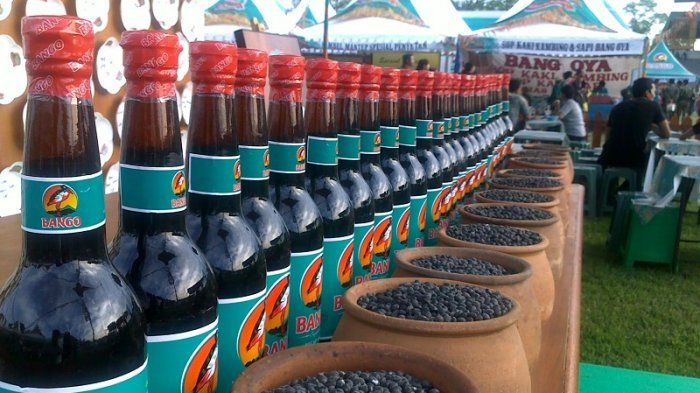
1. Kecap Bango
An iconic soy sauce brand in Indonesia, Kecap Bango has successfully capitalized on its heritage and the growing trend for authentic local flavors.
The brand has embraced modern marketing strategies, including digital campaigns and collaborations with chefs, to connect with younger consumers.
Their focus on quality and tradition has helped maintain a loyal customer base while expanding their market presence.
2. J.CO Donuts & Coffee
A local brand that has expanded rapidly, known for its donuts, coffee, and frozen yogurt. J.CO has built a strong presence both domestically and internationally, appealing to a broad customer base with its unique offerings and marketing strategies.
3. Bakmi GM
Established in 1959, this chain specializes in Indonesian noodles and has become a household name. Bakmi GM has successfully blended traditional flavors with modern dining experiences, making it a favorite among locals and tourists alike.
4. Richeese Factory
This brand stands out for its innovative menu that features cheese-coated fried chicken and other snacks. Richeese has quickly gained popularity, especially among younger consumers, by focusing on unique offerings that differentiate it from competitors.
Starting and growing a food business takes careful planning and smart strategies. By researching your market, creating a solid business plan, following legal rules, managing your money, building your brand, and using technology, you can lay the groundwork for success.
To help streamline your sourcing and connect with trusted buyers and suppliers, consider using Hi-Fella. This platform offers resources to help you grow your network and effectively scale your food business.